Architectural Synthetic Roof Covering That Integrates Elegance and Climate Resistance
The roof covering conversation has altered a fair bit over the last years. Property owners still care about visual charm, resale worth, and just how a roof covering matches block, stone, stucco, or cedar house siding. However climate has come to be a much bigger part of the decision. Hail storm, freeze-thaw cycles, hefty rain, wind uplift, ice dam danger, and progressively sharp temperature level swings have pushed numerous purchasers to look beyond standard products. That is where building artificial roof covering has made genuine attention.
For the appropriate home, a synthetic roofing can provide a look that really feels upscale and historically suitable while taking care of harsh problems with even more uniformity than many natural products. I have seen homeowners fall for the look of slate or hand-split cedar shake, then step back when they understand the weight, maintenance needs, and setup intricacy. Costs synthetic roof covering commonly enters the photo at specifically that moment, when appearance still matters, yet performance starts to drive the decision.
This is particularly real in markets with four unique periods and requiring storm patterns. In places where winter months can be punishing and summer storms hit hard, homeowners want a roof that looks improved without ending up being a maintenance project every couple of years. That balance, elegance plus resilience, is the reason artificial roof coverings have relocated from niche choice to significant contender.
Why artificial roof covering has actually acquired traction
Traditional roof covering materials still have their location. All-natural slate remains among one of the most beautiful roofing products ever before made use of on a house. Cedar shake has warmth and measurement that is hard to replicate. Clay ceramic tile brings apparent personality. Yet each of those products comes with compromises. Weight is typically the first issue. Delicacy, upkeep, specialized labor, and repair matching are close behind.
Architectural artificial roofing was created to answer those concerns without generating a level, plastic-looking result. The better products on the marketplace are molded with deep texture, varied edges, and shade blends that resemble natural products surprisingly well from the road and, in some cases, from just a few feet away. Not all items are equal, and experienced eyes can tell the difference in between entry-level and exceptional artificial roof covering. Still, the top tier has actually come a lengthy way.
Homeowners taking a look at household artificial roof are typically attempting to address among 3 troubles. They want the look of slate or shake without the structural lots. They want an even more weather-resistant choice to timber. Or they are changing a roof covering on a custom home and want something that fits the architecture without locking themselves right into fragile materials.
That last classification is expanding. Artificial roofing for luxury homes is no longer treated as a compromise. On many homes, it is the willful choice.
The aesthetic appeal is much more sophisticated than lots of expect
One of the biggest mistaken beliefs about synthetic roof shingles and floor tiles is that they all look undoubtedly produced. Some do. Generally, those are lower-cost items with repeated patterns, shallow structure, and shade that really feels repainted on rather than integrated into the piece. However reliable architectural synthetic roof is different.
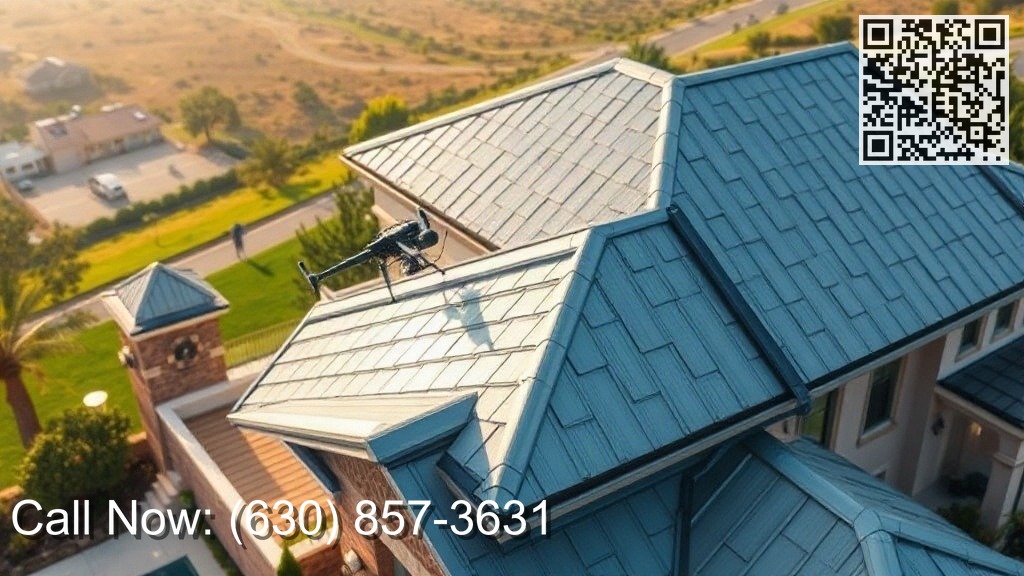
Manufacturers currently develop products with staggered sizes, shadow lines, formed grain patterns, and varied edge treatment that produce a more natural roofscape. That matters more than people understand. A beautiful roofing is not nearly shade. It is about deepness, rhythm, and minor incongruity. All-natural products have blemishes, and good artificial design understands that.
On a big home, particularly one with noticeable roof covering aircrafts, dormers, turrets, or steep inclines, aesthetic repetition can spoil the result. A premium synthetic roof product stays clear of that toy-like uniformity. I have actually seen synthetic slate on homes with sedimentary rock facades where site visitors presumed it was quarried rock until they were informed otherwise. I have likewise seen synthetic shake on transitional and French country homes that maintained the warmth of cedar without the very same susceptability to wetness biking and splitting.
The key is matching the item to the style. An artificial slate profile might be optimal for a Tudor, Colonial, or stone estate home. A shake profile often works much better on artisan, lake-style, rustic, and specific contemporary customized homes. The roofing should enhance the home's layout language, not take on it.
Performance matters most when the weather condition turns bad
A roof covering can look outstanding on a sunny mid-day and still fail where it counts. The genuine test comes throughout wind-driven rain, freeze-thaw cycles, and influence events. This is where several synthetic roofing systems distinguish themselves.
Quality artificial materials are normally engineered to stand up to splitting, dampness absorption, and influence damage better than several natural options. That does not imply every product is undestroyable. It means the material is designed with activity, temperature variation, and impact resistance in mind. In chilly climates, that adaptability can be a significant advantage. Fragile materials do not forgive a lot when temperature levels drop.
In the Chicago area, this turns up frequently. Home owners looking for synthetic roof Chicago remedies are typically stabilizing visual goals with functional issues regarding hail, wintertime snow lots, flashing performance, attic ventilation, and ice management. A beautiful roof that does not incorporate well with these facts is not a premium selection, no matter what the sales brochure says.
I have actually walked roofs in late winter months where the product itself was still healthy, however the system had suffered due to the fact that details were rushed. Valley metal was undersized. Ice and water membrane protection was very little. Ridge air vent consumption balance was bad. Pipe flashings were poor quality. Artificial roof covering setup prospers when the installer treats the roof covering as a complete assembly, not simply an area of ornamental pieces.
That is one factor choosing the ideal synthetic roofing contractor matters as long as selecting the material.
Lightweight does not indicate light duty
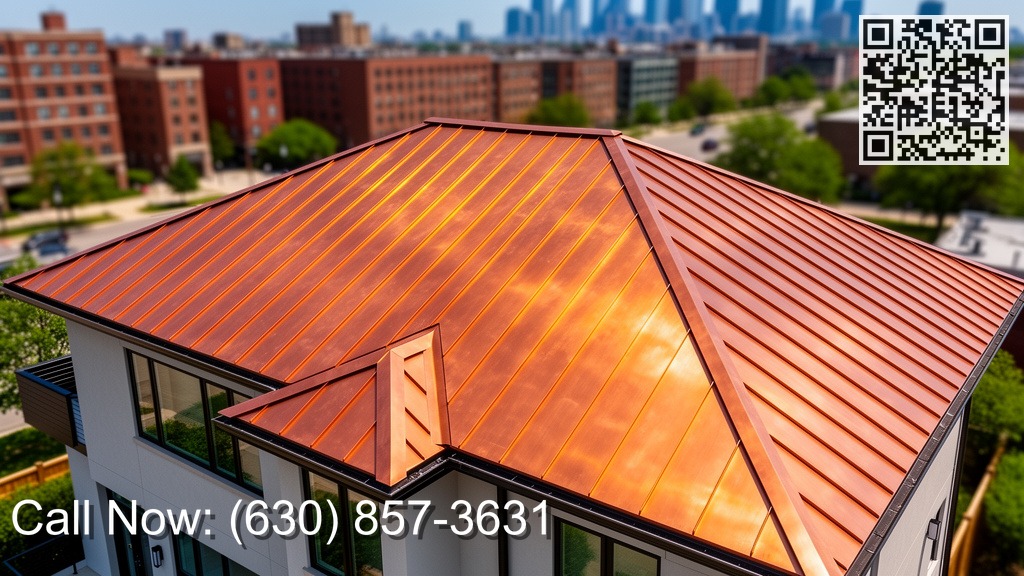
One of the most useful advantages of artificial roofs is weight. Natural slate is heavy enough that some homes call for structural testimonial or support before installment. That can include expense and intricacy rapidly. Synthetic choices can commonly accomplish a comparable visual impact at a fraction of the weight.
For older homes or remodellings where the existing structure is sound yet not overbuilt, this matters. It can make an artificial roofing substitute practical where natural slate would certainly be unrealistic. It can additionally reduce strain on framework gradually. That does not indicate weight is the just design element, however it is a considerable one.
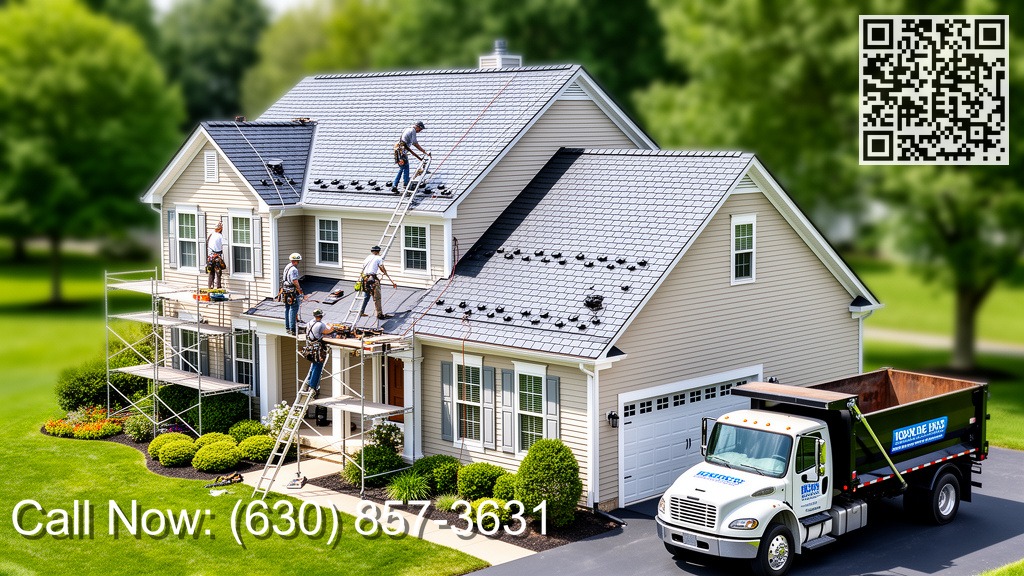
Lightweight materials also tend to simplify transportation, hosting, and taking care of on the jobsite. That can decrease breakage during setup and ensure building problems much easier to handle. On steep roof coverings with cut-up geometry, smokeshafts, valleys, and eyebrow information, installer control matters. An item that can be worked easily without consistent damage aids preserve schedule and surface quality.
The installation is where great intents either stand up or fail
A brightened example board can make practically any roof item appearance attractive. What separates a durable roof covering from a pricey dissatisfaction is execution. Synthetic roof installers need to recognize design, exposure, securing https://tysonnfkl024.focalledger.com/posts/how-a-synthetic-roofer-evaluates-weather-related-roofing-threats demands, accessory compatibility, air flow, water drainage airplanes, and local weather demands.
That sounds fundamental, but not every synthetic roof covering company comes close to the collaborate with the exact same level of technique. Some teams have strong asphalt tile experience yet limited familiarity with artificial slate or tremble systems. Others recognize how to mount the field product however pay inadequate interest to transitions, infiltrations, and side details. Those are the places where leaks generally begin.
An appropriate synthetic roof installment starts before the very first piece goes on the roofing. The decking has to be evaluated. Rotten or delaminated sheathing must be changed. Underlayment choice should fit the home, the incline, and the climate. In colder regions, membrane layer insurance coverage at eaves and valleys deserves unique focus. Blinking information need to be planned, not improvised.
The cleanest tasks usually share a few habits:
- The installer follows the producer's securing pattern and exposure guidelines exactly.
- The crew blends product from multiple packages or pallets to prevent color blocking.
- Flashings, valleys, hips, ridges, and infiltrations are dealt with as aesthetic details in addition to waterproofing details.
- Ventilation is reviewed as component of the roof, not left as an afterthought.
- Final strike job consists of close assessment of trim lines, seal points, and jobsite cleanup.
That might appear straightforward, however these are the information customers bear in mind years later on. A roofing system can execute well and still look careless if training courses stray, flashings really feel oversized, or ridge details are badly proportioned. On a custom home, those issues are very easy to spot.
What homeowners should understand about durability and maintenance
Many customers discovering artificial roof roof shingles desire one simple solution: how long will it last? The honest answer depends upon the item, the climate, installation top quality, air flow, and exactly how revealed the home is to serious climate. It is much more accountable to chat in ranges than absolutes.
Well-made synthetic roofing systems are commonly designed for lengthy life span and reduced upkeep than timber shake. They generally withstand rot, insect damage, and many of the moisture-related troubles that natural timber can deal with over time. Compared with breakable natural materials, lots of artificial items additionally manage foot web traffic and incidental impact much better, though no roofing system must be dealt with casually.
Maintenance is typically lighter, not nonexistent. Particles should still be removed from valleys. Gutters still require attention. Looming branches still produce wear and shade-related dampness issues. Sealants and flashings still age. After severe storms, assessments are still wise.
One thing I usually tell property owners is that a low-maintenance roof covering does not suggest a no-observation roof covering. A ten-minute aesthetic check from the ground after a significant tornado can catch concerns early, particularly if a branch dropped or metal trim was affected.
Cost, worth, and where the mathematics makes sense
Synthetic roof is not the bargain-bin option, and it must not be sold this way. Costs synthetic roofing normally sets you back greater than common building asphalt roof shingles. In most cases, dramatically more. Yet the contrast is usually wrong from the start. Purchasers typically are passing by between budget plan shingles and synthetic slate due to the fact that the objectives are different.
A more reasonable contrast is between synthetic roof covering and all-natural slate, cedar shake, or various other architecturally distinctive products. In that context, synthetic can supply purposeful value. The product may cost much less than the natural variation, setup can be more efficient, structural upgrades may be stayed clear of, and upkeep needs may be reduced over time.
For homeowners planning to remain long-term, that formula commonly works. For high-end resale properties, the visual payoff can matter as well. A roof inhabits a huge percent of the noticeable exterior. It is difficult to overemphasize how much the ideal roof covering can elevate a home's presence.
Still, trade-offs exist. If a house owner desires the precise aging pattern, tactile feel, and historical purity of authentic slate or hand-split cedar, synthetic might not completely replace that experience. It can come really close aesthetically, but it is still a made product. For some purchasers, credibility continues to be the making a decision factor. For others, performance wins.
Regional judgment matters, particularly in Chicagoland
Products do not do in a vacuum cleaner. What functions wonderfully in a mild environment might encounter various stresses in the Midwest. That is why home owners looking for an artificial roofing contractor Chicagoland should prioritize local experience, not just basic roof covering credentials.
Chicagoland roof coverings handle wind, snow, ice, sunlight direct exposure, springtime storms, and vast temperature variant. Certain neighborhoods likewise have more stringent aesthetic assumptions or house owners organization requirements. In communities with larger customized homes, such as those where synthetic roof Naperville IL questions prevail, clients usually want a roofing that looks upscale from every angle, including second-story sightlines and bordering properties.
This is where neighborhood judgment aids. An experienced service provider can advise on account option, color mix, snow retention considerations, underlayment options, and ventilation strategy that make good sense for the house and the location. They can also determine whether the layout of the home would certainly take advantage of wider exposures, more pronounced darkness lines, or more restrained detailing.
I have actually seen homes enhance significantly when the owner shifted from a generic tile state of mind to a whole-roof layout state of mind. Material choice became part of the architecture, not just the upkeep budget.
Questions worth asking before you commit
If you are assessing an artificial roof covering company, the discussion ought to exceed pamphlets and service warranty language. Ask the number of comparable projects they have finished. Request addresses or images of finished homes with building conditions comparable to yours. Ask that takes care of blinking construction, how they handle color blending on website, and whether they inspect attic room ventilation before quoting the job.
A couple of clever inquiries can save a great deal of stress:
- Is the product intended to simulate slate, shake, or one more product, and does that fit the style of my home?
- What underlayment, blinking, and air flow upgrades do you suggest for my environment and roofing design?
- How does this synthetic roofing system substitute compare in weight and maintenance with the product I have now?
- Who will supervise the installation, and does the team have particular experience with this item line?
- What components of the roofing system are most susceptible if details are rushed or value-engineered?
A professional synthetic roofer should respond to those concerns plainly, without dispersing right into generic sales language.
The best artificial roofing systems feel willful, not imitative
The strongest projects do not try to fool every person into believing the product is something it is not. Instead, they supply the spirit and visual splendor of slate or cedar while embracing the functional benefits of modern-day design. That difference matters.
When architectural artificial roof is done well, the result feels natural. The lines are clean. The texture fits the home. The shade depth supports the outside combination. The roofing deals with weather with self-confidence. Years later, the owner still suches as taking a look at the house, and they are not supporting for the upkeep shocks that usually come with extra delicate natural materials.
That is the real appeal. Elegance alone is not nearly enough, and climate resistance alone is not nearly enough. Property owners desire both. They want a roof covering that adds to the personality of the home on a clear day and holds its ground in the middle of a storm.
For lots of buildings, specifically customized houses and high-visibility remodels, artificial roofing systems currently provide one of the most well balanced answers on the market. With the best product, the ideal installer, and the ideal focus to system details, they can supply the style people associate with old-world products and the longevity required by modern weather condition. That mix is not a pattern. It is good structure judgment.
When Quality Matters
Salvo Architectural Roofing Contractors
566 West 5th Ave Naperville, IL 60563
(630) 857-3631
 Ask ChatGPT
 Ask Grok
 Ask Perplexity
 Ask Claude
 Ask Google AI
 Ask You